16 June 2026
Frontline roles you might not know about
When people think about careers at Corrections, custodial roles such as corrections officers most often come to mind. But there are many other frontline careers that work directly with people in prison in different ways, supporting rehabilitation, reintegration, and positive change.
This article shines a light on some of those lesser‑known roles, exploring what they involve day to day, the challenges and rewards, and the skills that they use.
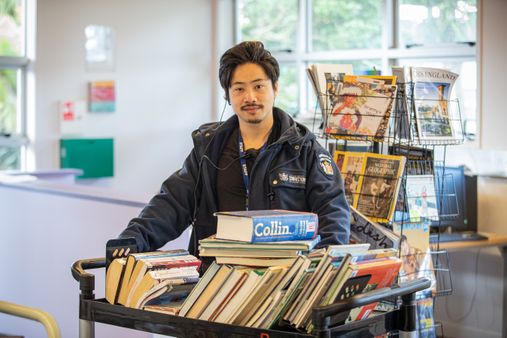
Education tutor: Unlocking potential through learning
“Education develops valuable life skills, strengthens connections with family and whānau, and supports people in prison to see a positive future beyond the wire, ensuring they are better prepared for life back in the community.” – James, education tutor
Education tutors support people in prison to identify learning goals, express personal and whānau aspirations, and access education opportunities. Providing these opportunities to identify goals can help them recognise their own potential, and the steps they can take to improve themselves and better prepare for reintegrating back into the community.
Through academic study, people in prison are encouraged to challenge themselves, achieve recognised qualifications, and build confidence, patience, and courage. Education tutors facilitate access to learning by coordinating with external academic providers, enabling individuals to study a wide range of subjects, including but not limited to NCEA core literacy and numeracy credits from Te Kura, and a range of university paper to complete a Bachelor degree through Massey University.
Day-to-day:
- Supporting people in prison to identify their learning goals, strengths, and aspirations
- Conducting literacy and numeracy assessments to gain a clear understanding of an individual’s current skill levels
- Facilitating self-directed learning by coordinating with external academic providers, to enable people in prison to study a wide range of subjects
- Delivering online sessions to help people in prison build essential computer skills
Considering this role?
Here are some of the skills that are useful for education tutors:
- Practical digital literacy skills and academic knowledge in a range of different topics
- Patience and flexibility
- Integrity, resilience and empathy
- Humility, self-motivation and persistence
“Success is found in moments both large and small: a completed qualification, a meaningful conversation, or witnessing a prisoner realise that their ability and potential are greater than they believed.” – James, education tutor
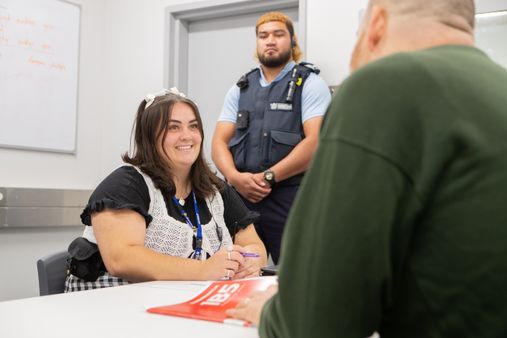
Release to work broker: Opening doors to opportunity
“Employment helps to build a sense of pride and achievement, while potentially reducing the chance of reoffending.” - Natalie, release to work broker
Release to work brokers help people in prison to take meaningful steps back into everyday life. Brokers arrange work that individuals can take part in with employers outside the wire, while still serving their custodial sentences. This work could include construction, horticulture, engineering, forklift operators, building, and many more.
By connecting people with real jobs in the community, release to work brokers help build confidence, pride, and a sense of purpose. Having a job isn’t just about earning an income – it can create stability, open new opportunities, and support positive change for individuals, their whānau, and the wider community.
Like many roles in Corrections, the work of a broker comes with its challenges. They often need to overcome stigma, ever-changing labour markets, and uncertainty from both employers and participants. But the rewards make it worthwhile. Seeing someone secure their first job, grow in confidence, and continue working after release is incredibly motivating. Knowing that employment can help someone build a better future and reduce the chance of reoffending is what keeps many brokers passionate about the work they do every day.
Day-to-day:
- Acting as a bridge between the people we manage and meaningful employment opportunities within the community
- Working closely with custodial staff to identify and place the right people into the right role, and preparing those individuals for the workforce
- Monitoring people who are out on work placement, and offering guidance and support if challenges arise
- Actively engaging with employers, building strong partnerships, and educating them on the purpose and impact of reintegration through employment
- Promoting the benefits of the release to work programme and seeking out employment opportunities
Considering this role?
Here are some of the skills that are useful for release to work brokers:
- The ability to work with people from all walks of life
- Strong relationship-building skills
- The ability to build trust and rapport
- Knowledge of the labour market
- Resilience, self-motivation and determination
- Communication, time management and a positive attitude
- Problem solving and creative thinking
- Being resilient, responsive and assertive
- Honesty, empathy and integrity
“Seeing people in prison gain employment, build confidence, and succeed in real-world environments is incredibly fulfilling. Knowing that these opportunities can continue beyond release and contribute to long-term change makes the work deeply meaningful.” – Stephen, release to work broker

Reintegration coordinator: Support beyond the wire
“I am proud to support reintegration into the community. With proper support, people are more likely to build stable, crime free lives.” – Carla, reintegration coordinator
Reintegration coordinators play a key role in supporting safer communities and reducing reoffending by helping people prepare for life beyond prison. The role is grounded in the belief that people can change when they are given the right support and opportunities. By working alongside individuals as they plan for release, reintegration coordinators help them build realistic pathways toward a more positive future, contributing to outcomes that extend beyond the individual to whānau and the wider community.
The work can be challenging, particularly when people face complex needs or barriers beyond their control, and progress is not always straightforward. Patience and persistence are essential in this role. Despite this, the rewards are significant. Seeing someone grow in confidence, take ownership of their future, and engage with support is deeply satisfying, and even small steps forward can feel like meaningful successes.
Day-to-day:
- Face-to-face support with people in prison to help them make a plan for their reintegration once they return to the community
- Working alongside psychologists and custodial staff to provide support, problem-solving and encouragement to the people we manage
- Linking individuals with community providers, housing and health services, employment support and other organisations that can help them succeed once they are released
- Report writing and research
Considering this role?
Here are some of the skills that are useful for reintegration coordinators:
- The ability to work with people from all walks of life
- Being approachable, empathetic, and open-minded
- Strong communication and relationship-building skills
- Being organised and staying calm under pressure
- Resilience, flexibility, and a genuine belief in people’s ability to change
“The heart of the role is building relationships and supporting people in practical, meaningful ways.” – Carla, reintegration coordinator
Note: Names have been changed for privacy.
Ready to make a move?
Start your journey - check out the a list of our current opportunities then apply online today!