23 September 2026
Health and wellbeing careers you might not know about
When people think about careers at Corrections, custodial roles such as corrections officers most often come to mind. But there are many other careers here that are meaningful and rewarding, particularly those with a focus on healthcare and wellbeing.
This article shines a light on some of these lesser-known roles at Corrections, exploring what they involve day to day, the challenges and rewards, and the skills that they use.
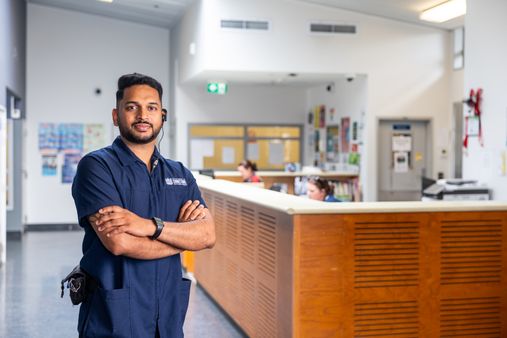
Assistant health centre manager
“My role supports the wider Corrections’ purpose by helping to deliver safe and effective healthcare to people in prison, which can ultimately contribute to safer communities and reduced re-offending.” – Harpreet, assistant health centre manager
Many people entering prison have had little or no access to healthcare in the community, and often have complex health needs, including withdrawal from alcohol and drugs. Having access to healthcare in prison can support with rehabilitation as well as welfare.
The assistant health centre manager supports the day-to-day running of a prison-based health centre, which provides safe and effective healthcare to people in prison. This includes clinical operations and staff management. It’s an ever-changing role, often with something new and challenging to face each day. The role involves problem solving and overcoming barriers, but it’s rewarding to end each day knowing staff and patients are safe.
Assistant health centre managers have a strong support system in place to help them run the health centre effectively. This includes clear policies and procedures to guide them through new situations and working with other teams such as corrections officers, principal advisers, and staff welfare coordinators to keep everyone safe.
Day-to-day:
- Staff management
- Compliance and quality assurance
- Resolving complaints
- Managing clinical operations and providing resources for frontline health workers to do their job efficiently
- Coordinating care for patients with complex health needs
- Liaising with external providers for holistic care, for example podiatrists and dentists
Considering this role?
Here are some of the skills that are useful for health centre managers:
- Registered nurse experience necessary
- Resilience
- Ability to stay calm under pressure
- Positive can-do attitude
- Being adaptable and flexible when required
- Strong communication skills
- Postgraduate degree is desirable
“I feel so valued here. I started as a nurse on the floor, and now nine years later I’m assistant health centre manager. It’s been a journey and I feel so proud to a be part of such purposeful work.” – Harpreet, assistant health centre manager
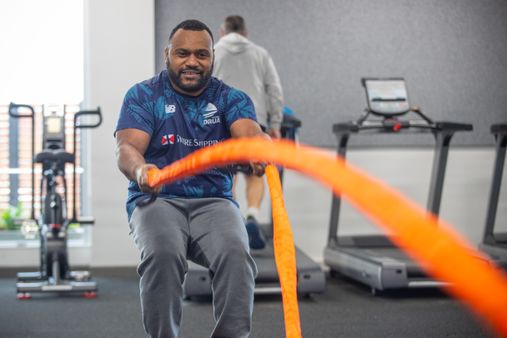
Fitness and wellbeing instructor
“I believe that physical fitness has the power to transform lives. It gives people in prison a sense of routine, builds self-worth, and teaches them self-discipline.” – James, fitness and wellbeing instructor
A fitness and wellbeing instructor leads active fitness sessions for the people in prison and organises team sports, such as touch rugby and volleyball. The role supports not only the physical health of the people we manage, but also the social and mental wellbeing. It’s a rewarding role, particularly when it comes to seeing positive shifts in behaviour and attitude.
The prison gym contains equipment that requires vigilant monitoring, and maintaining safety is a key aspect of the role. Instructors are trained as corrections officers, which means they have the skills and knowledge for working in a prison environment.
Day-to-day:
- Leading active fitness sessions, including full body workouts
- Creating engagement through healthy competition
- Running team sports to build community
Considering this role?
Here are some of the skills that are useful for fitness and wellbeing instructors:
- Passion for exercise
- Strong ability to influence and motivate
- A focus on health and wellbeing
- Situational awareness
- Observation skills and constant alertness
“My goal is to support people through their reintegration journey so they can successfully return to their communities as healthier, more focused individuals.” – James, fitness and wellbeing instructor
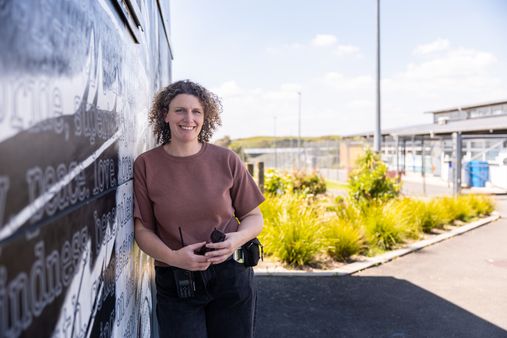
Social worker
“I’m passionate about advocating and supporting our communities in a way that is safe, inclusive and valuable, where accountability and positive reintegration go hand-in-hand.”– Taran, social worker
The day-to-day duties of a social worker at Corrections looks different every day, and each team has its own priorities. A big part of the role is building strong relationships across custodial, case management and community teams to ensure people serving sentences receive the support they need. This could include connecting with rest homes seeking accommodation for an older person in prison, supporting with health assessments and accommodation pathways, or disability support while in custody and upon release.
The work can be challenging, particularly when coordinating support across multiple teams with different priorities and responsibilities. It's a fast-paced and rewarding role, with the opportunity to make a real difference to someone's rehabilitative journey. The role combines frontline engagement with behind-the-scenes coordination, giving you the chance to contribute to positive change and see the impact of that work firsthand.
Day-to-day:
Here are some examples of their daily responsibilities:
- Working across different teams in Corrections
- Engaging with people in prison to understand their needs
- Conducting health and risk assessments
- Safety planning, behavioural support and care plans
- Administrative tasks, including referrals and providing advice
Considering this role?
Here are some of the skills that are useful for social workers at Corrections:
- Recognised social work qualification with an annual practicing certificate
- Strong relationship-building and advocacy skills
- The ability to work with people from all walks of life
- Commitment to working collaboratively
- Trauma-informed skills and practice
- Critical thinking and problem-solving skills
- Adaptability, empathy and an open mind
- Resilience, patience and respect
“Healing, humanising, and fostering change can support people to leave prison with better prospects than when they came in. This shift could be the reason they are less likely to offend again.” – Danny, social worker
* Please note: Names have been changed for privacy.
Ready to make a move?
Start your journey - check out the a list of our current opportunities then apply online today!