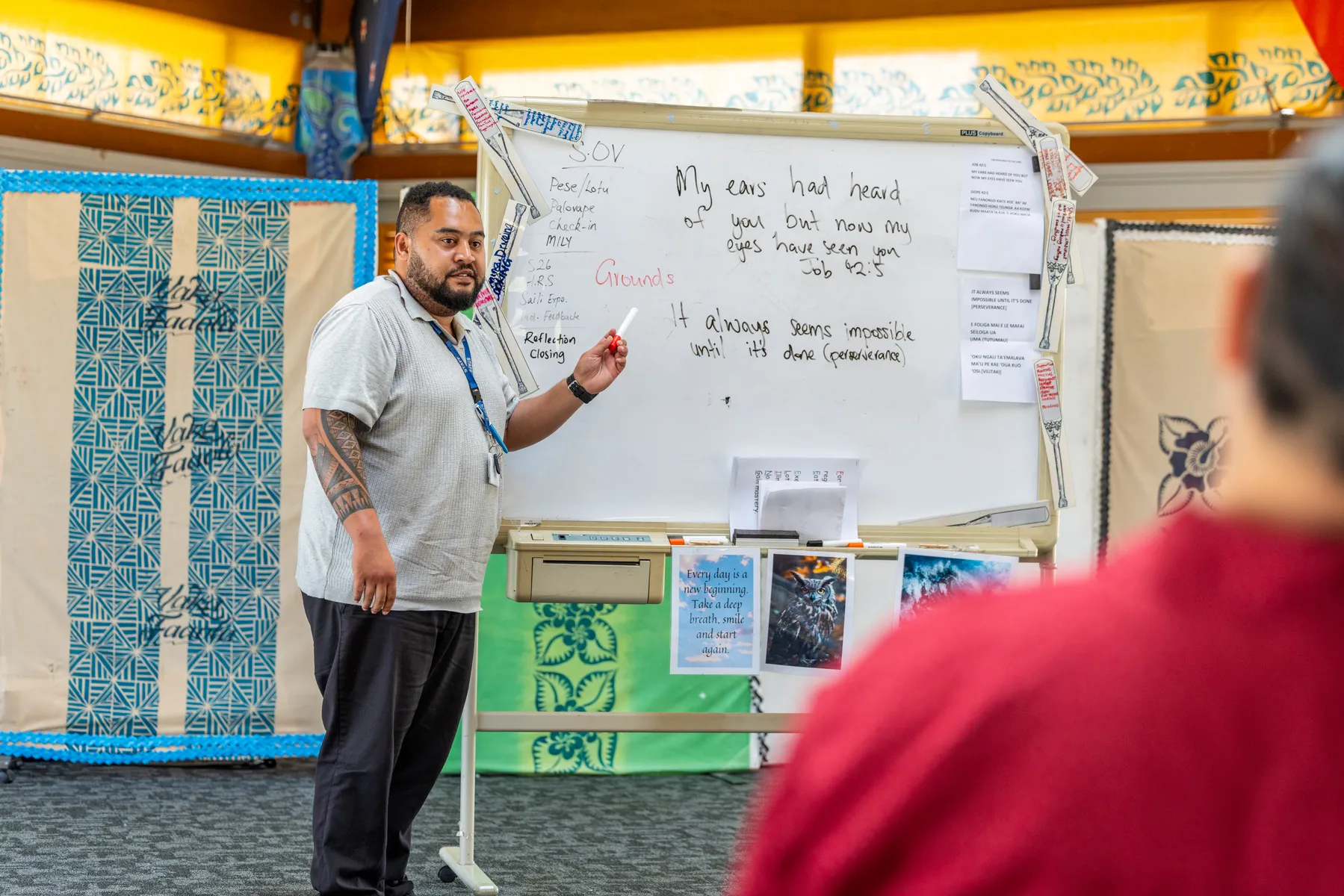
The role
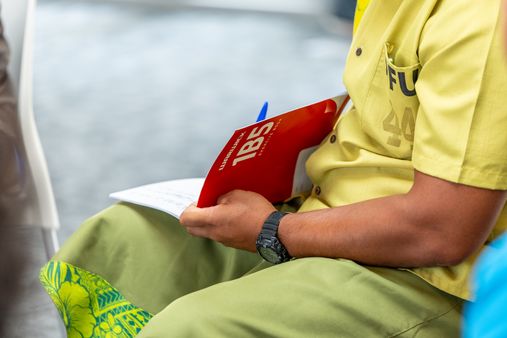
Help inspire growth
Programmes run by our facilitators aim to help people take responsibility for their actions, motivate them to change their behaviour and teach them new strategies - which will help them lead an offence free life.
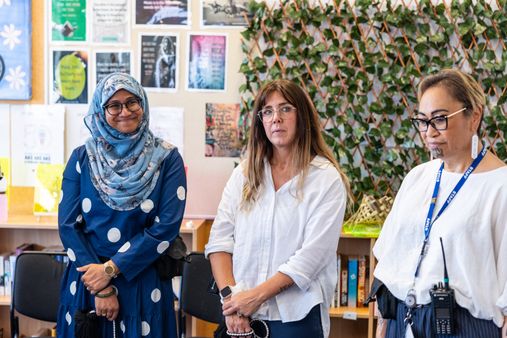
Plan, collaborate and facilitate
Programme facilitators plan and deliver therapeutic programmes, as well as monitor progress to make sure people are getting the most out of their sessions. They may work with psychologists, community probation and custodial staff, as well as whānau and community groups.
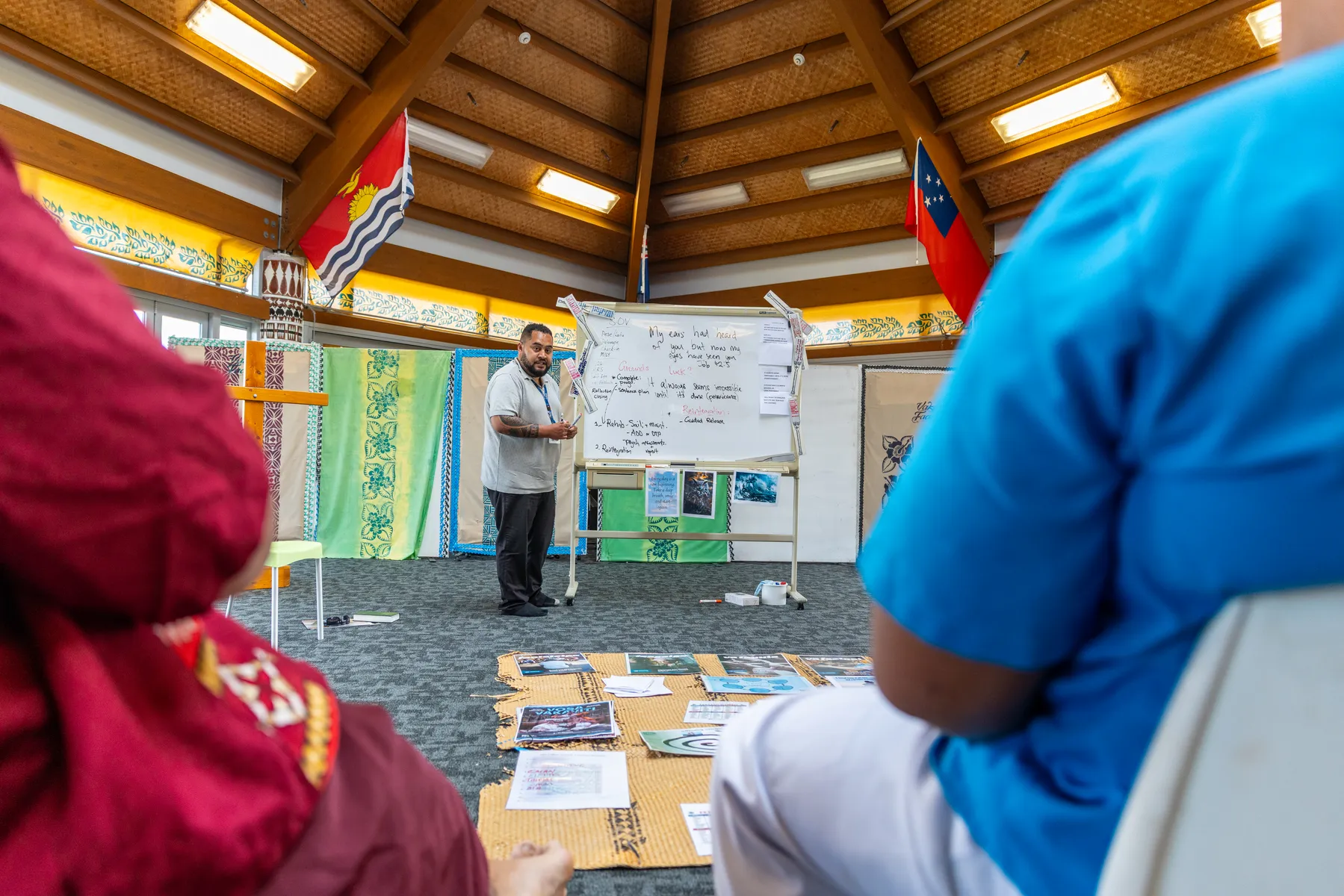
Support different rehabilitation pathways
Facilitators work with people from a range of backgrounds and life experiences, so need to be adaptable and great listeners.
There are a range of different programmes our facilitators deliver, including specific programmes for youth and women. Programmes are usually delivered in groups but can involve working one-on-one with individuals.
What you need to know

Time off
5 weeks annual leave after 1 year of service, increasing to 6 weeks after completing six years continuous service

Salary
Salary range of $70,825 - $89,406

Hours of work
A 40 hour working week usually Monday to Friday

Career development and training
Induction in Upper Hutt, then specific intensive training at both home site and Upper Hutt
Opportunities to progress to Principal Facilitator, or to branch into specialist areas (for example Kaupapa Māori Supervison)

Skills and experience
Great communication skills, positive role models with an interest in helping others, self reflective, strong analytical and critical thinking skills, cultural competency
Qualification in psychology, counselling, adult learning, training, or facilitation an advantage

Environment
Working in prisons or with people on community-based sentences
Recent stories
Make a difference with your degree
Whether you’ve completed your degree or are close to graduating, there could be a place for you here at the Department of Corrections.
Thinking about working for Corrections?
We asked our staff to share real stories, insights and advice on what it’s like working at the Department of Corrections.
Designing and delivering effective rehabilitation
Rehabilitation programmes are a core part of our work at Corrections, but what's involved with making them happen?