5 February 2026
Make a difference with your degree
Whether you’ve completed your degree or are close to graduating, there could be a place for you here at the Department of Corrections. With a range of career pathways available, there are plenty of opportunities to turn your qualifications into real-world impact.
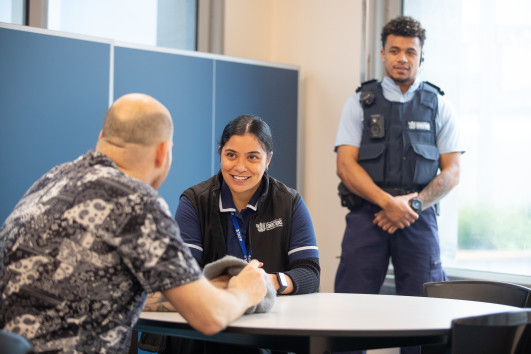
We spoke to staff with tertiary qualifications in psychology, criminology, health sciences and sociology, to discuss what they do and why they chose to make their career at Corrections. Not all roles require formal qualifications, but having a degree in a particular discipline could help you in your day-to-day career at Corrections.
Why consider a career at Corrections?
Real impact
We support people to make positive changes, take accountability for their behaviour and navigate challenges to improve their lives and the lives of those around them
Applied learning
Use the skills, tools and experience from your degree in a unique environment, working with people from diverse and complex backgrounds
Structured support
From onboarding to supervision, reflective practice and EAP, you’re never working alone and your well-being and safety is prioritised
Collaboration
Working together is what we do best, and you’ll work alongside various teams across Corrections as well as other agencies like Police, Oranga Tamariki and the Ministry of Justice
Professional development
Progress your career, explore pathways to specialisation and apply your full breadth of skills in a diverse and rewarding role
Probation officer: Guiding change in the community
“My job is to uphold the integrity of a sentence, and ensure people follow through on their rehabilitation in the community.” – Madeline, probation officer
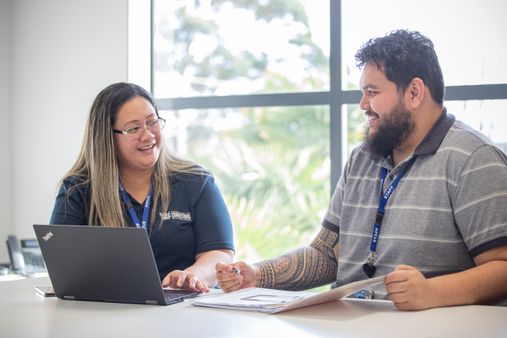
Working with people serving community-based sentences, probation officers motivate people to change, uphold court-imposed conditions, and prepare reports and recommendations for the courts and the New Zealand Parole Board.
Day to day
- Case management
- Course reports
- Home visits and motivational conversations
- Working with whānau and social service agencies
Skills that shine
- Resilience
- Communication
- Time management
- Rapport and establishing boundaries
"Holding boundaries and following through builds trust. If you commit to something, you deliver - it’s how people see you’re there to help, not just ticking boxes." – Madeline, probation officer
Case manager: Working behind the wire to support rehabilitation
“We constantly manage and assess someone’s risk and identify the right rehabilitation pathway.” – Morgan, case manager
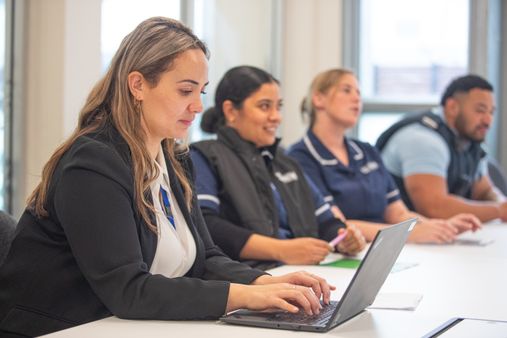
Case managers work with people in prison from the moment they arrive until their release. Their role is to plan rehabilitation and reintegration for the people they manage, to make communities safer when someone leaves prison and to help that individual make positive changes in their lives.
Day to day
- Meeting with people in prison
- Risk assessments and file reviews
- Referrals to treatment and programmes
- Report writing and recommendations of release conditions
- Presentations to the Parole Board
Skills that shine
- Analytical thinking
- Communication
- Time management
- Interpreting complex information
- Professional boundaries
"It’s not just about the offence at hand - it’s understanding their story and using that to make a plan that fits each individual’s needs and history." – Avery, case manager
Programme facilitator: Inspiring positive change
“We don’t lead or push – we walk beside people on their journey toward change.” – Ethan, programme facilitator
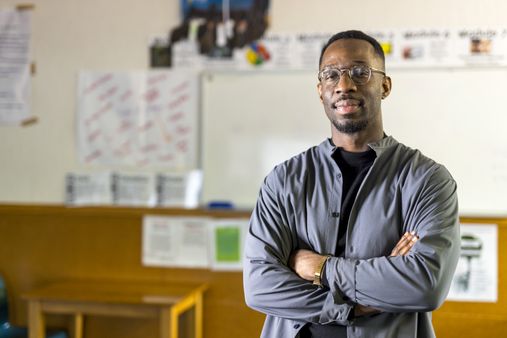
Programme facilitators run evidence-based rehabilitation programmes both in prison and in the community to help people take responsibility for their actions and teach them new strategies. They work one-on-one and in groups, focusing on emotional regulation, substance use, relationships and life experiences.
Day to day
- Assessments and goal setting
- Group facilitation
- Reflective practice
- Collaboration with case managers, probation officers and psychologists
Skills that shine
- Active listening and communication skills
- Adaptability
- Emotional resilience
- Cultural awareness
"The best part is being in the room when someone starts to see what change could look like for them." – Ethan, programme facilitator
Psychologist: Specialist assessment and treatment
“We work one-on-one with people who’ve often never had a therapeutic space before. That trust is powerful for change.” – Sienna, Corrections psychologist
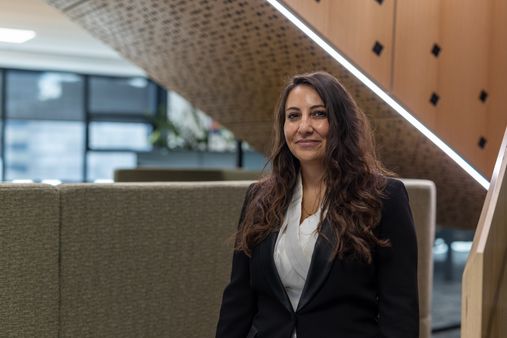
Corrections psychologists work as part of a team to deliver assessments and treatment to people in prison and the community with diverse and complex clinical issues. They focus on reducing the risk and seriousness of reoffending by helping people address underlying trauma. They develop strategies for change and build skills like emotional regulation and problem solving.
Day to day
- Risk assessments
- Deliver treatment sessions
- Prepare and run specialised rehabilitation programmes
- Report writing and preparing recommendations for reintegration
- Collaborate across other teams in Corrections to align treatment plans
Skills that shine
- Clinical expertise
- Analytical thinking
- Communication
- Empathy and cultural awareness
- Emotional resilience
"I didn't plan on staying long - I thought it would be a couple of years. 28 years later, I'm still here because the work is rewarding, challenging, and there's always something new to learn." – Joanna, Corrections psychologist
Ready to make a difference?
Careers in Corrections offer structured training, strong support and opportunities for professional growth and development. You’ll use your learning every day and see the impact up close.
Note: Names have been changed for privacy.
Ready to make a move?
Start your journey - check out the a list of our current opportunities then apply online today!