5 October 2026
Building futures in a prison kitchen
Meet Catering Instructor Shane
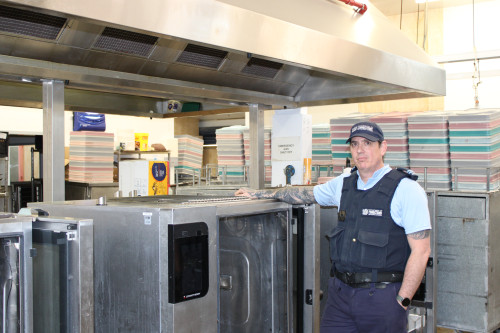
Before joining Corrections, Shane had spent 20 years in the hospitality industry. He’d been an owner-operator as well as a chef – working from fine dining to café catering. After years of late nights and high pressure, he wanted to find a new career that would give him a better work-life balance.
“I’ve run a variety of different restaurants, bars; had my own place as well. What I got the most out of that career towards the end was teaching the young guys coming through – seeing their passion for cooking. Slinging pans every night was a drain, so I was looking for something different.
“I was definitely a career chef – I wanted to do that as much as possible. I had this perception of work needing to be the be all and end all – that no-one else could run the kitchen so I needed to be there every night. But I started to realise that maybe it wasn’t everything. I’d put a lot of things on hold.”
Looking for a career change, Shane initially applied to be a corrections officer.
“If I’m completely honest, I came to the interview not even sure if I actually wanted the role. I thought ‘oh, I’ll have a go’. It was probably halfway through the interview when I thought, actually, I’m really interested in this.
“I spent just under a year in the units as a corrections officer before my now-manager rang up with an opening, and asked if I wanted to move over to the kitchen as an instructor. I transferred over to where I am now.”
More than cooking
A catering instructor for Corrections works face-to-face with the people in prison to cook for the entire prison. They are also responsible for training the men who are interested in learning the trade, from kitchen skills and basic food hygiene through to assessments and formal industry qualifications.
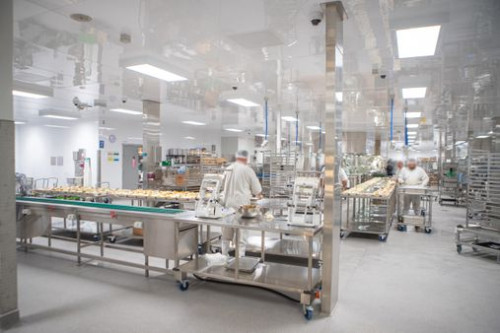
Managing the kitchen to prepare sometimes over 700 meals at a time is a busy job, but it’s not just a production line of prison meals. The kitchen also caters for functions, including visiting dignitaries and graduation ceremonies for the prisoners when they complete their courses and programmes.
“It’s not just taking what you’re doing on the outside and doing it in the prison kitchen; it’s quite different to be hands off and stand back. But that’s what I enjoy – I really like that mentoring side. I try to get the men doing as much as possible and give them the skills to be able to do it. I know I can work it out easily, but I’d rather they do it and get that hands-on experience.”
A real sense of purpose
“You get a lot out of seeing the men in prison progressing. Not all of them do, I’ll be honest – but the ones that do, that’s good enough. If we can get a couple of wins along the way, that’s a real achievement.
“I see the sort of feelings that I used to get when I was learning, and you can see they’re taking a bit of pride in what they’re doing. We’ve had one individual starting on the sandwich line, basically making sandwiches and plating up stuff, who worked right through to becoming head chef. It’s awesome to witness.”
It's the assessment and qualification process where the people in the prison kitchen get the opportunity to prepare more creative and challenging dishes.
“We’ve done things like supreme of chicken with a warm winter salad and a demi-glaze sauce, and steamed fish with grilled lime, julienne vegetables and a beurre blanc sauce. It can be limited as far as the ingredients go, so you’ve really got to think outside the box to create something special.”
And it’s not just the cooking that can inspire and guide the men Shane works with, it’s the conversations they have as they cook together that can make a difference.
“We have good conversations about life in general – the choices that we make and the consequences of those choices. They’re not all into talking, but you tend to get the ones that are towards the end of their sentence who are more ready to have a chat about things.”
Learning a different kind of leadership
Instructors are initially trained as corrections officers as their role straddles both custodial, instructing and mentoring responsibilities.
“You learn how to manage high pressure situations and de-escalate. Working in a kitchen, you do have to deal with those heated moments between the guys. Things like time constraints can make things more tense, so learning how to manage those moments is useful.”
“The men that we manage are probably the biggest challenge. Their varied backgrounds and skill levels – obviously it’s a working prison, so on any given day, anything could happen. If something’s happened, you have to just roll with it.”
“The role does push you. It encourages you to get out of your comfort zone a bit. Things like public speaking has never been a big thing for me – I’ve never enjoyed speaking in front of large groups. But you’ve got to do that sort of thing here.”
Advice for future instructors
“I wish I’d come here years ago. This is it for me, I’m here ‘til I retire. It’s a great place to work, it’s really rewarding, it’s a lot of fun, and it’s really challenging sometimes too. You have to take each day as it comes and having a thick skin always helps. Don’t get too stressed about things, and you’ll thrive.
“I’ve run a lot of kitchens and understand the organisation that comes with it; being able to structure how a cook will work for the day is key in this role. Your prep list, your work plan, and quick thinking; things like that.
“If you want a real work-life balance, then look no further. This gives you everything you want out of a kitchen, but it’s so much more than that.”
Ready to make a move?
Start your journey - check out the a list of our current opportunities then apply online today!