31 March 2026
Role deep dive: Psychologist
In this series, we look at some of our frontline roles at Corrections and help to break them down for jobseekers.
This article focuses on psychologists, our team who work one-or-one or in groups with individuals in the corrections system, as well as with other justice sector stakeholders.
What do our psychologists at Corrections do?
Corrections psychologists have similar duties to other psychologist roles – assessing and providing treatment for individuals, however there are also some unique aspects.
For example, they may write reports to the NZ Parole Board, act as expert witnesses in court, or support a group of participants in one of our rehabilitation-focused Special Treatment Units. We also have psychologists who do research, train programme facilitators, inform strategy, and design therapeutic programmes.
Psychologists may have different focuses – some are focused on preventing re-offending and supporting rehabilitation, while others work in multi-disciplinary teams to support individuals experiencing mental health distress.
“I was really drawn to the role at Corrections because it offered a large variety of opportunities within psychology.” – Psychologist
What does a good psychologist look like?
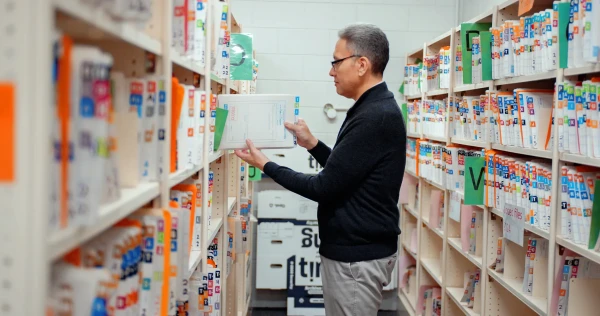
Being open-minded and non-judgemental is crucial, as well as having a growth mindset and interest in developing oneself and others. Working collaboratively and flexibly, as part of a large team, with a high degree of cultural competence is also important.
“I believe that to be successful in working as a Corrections psychologist, some of the most important qualities are the ability to empathise; to be able to build trust and rapport and a therapeutic relationship with the people we work with; to be able to listen carefully and attentively and communicate effectively. Other skills that would support a psychologist within Corrections, of course, is having exceptional problem-solving skills and analytical skills, being able to be assertive at times and advocate for humanising and healing environments and approaches.” – Psychologist
“Given the proportion of Māori in the corrections system, cultural competence is important. There’s a saying amongst Māori that you don't gain mana by sinking the other side of the canoe. And so, the mana of both sides is uplifted and seen as necessary. It's a model that's known as the twin hulls model, and it gives staff the confidence to know where they're standing. Am I standing in the European side of the canoe; am I venturing over onto the Māori worldview or am I in the middle where both canoes join?” – Psychologist
Diverse career opportunities
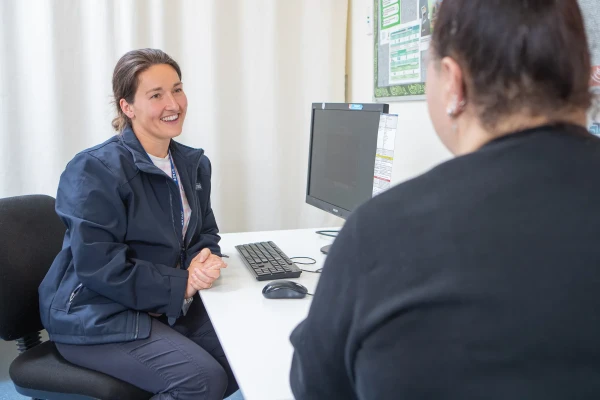
There is strong support for professional development and a clear career trajectory for psychologists. Psychologists may progress to senior or management positions, or across to advisory roles at our National Office. They can also move across to different settings, for example, working in an intensive rehabilitation unit or a mental health unit.
Unlike other psychology settings which see less teamwork, our psychologists work with different staff within Corrections (probation officers, corrections officers, nurses) as well as the families of the prisoner and external stakeholders such as while giving court testimony.
“There are many different career paths that a psychologist can take within Corrections. You might become a subject matter expert in an area. You might be a psychologist who works for one of the ISUs (mental health focused units) or Special Treatment Units (rehabilitation focused). Another career pathway could include working in the National Office space, as a senior or principal adviser.” - Psychologist
Finding meaning in the role
The type of work a psychologist will be exposed to in the corrections environment is hugely diverse.
With this comes the need for resilience, dealing with adversity and celebrating the small wins. Within the prison context, not everybody will want your help – unlike in more traditional or private practice settings. The challenge in this can make breakthroughs particularly rewarding, with ripple effects for the person’s whānau and community.
“For me, it’s about understanding why this person behaved a certain way and through gaining that understanding, how we will be able to support the person to make sure that they are less likely to repeat the same behaviour. In the long run, it's about understanding how I can support their rehabilitation and make society a safer place?” – Psychologist
"It's a really rewarding space to work in. A lot of the time we are working with people who have fallen through the cracks. It's a real privilege to hear their stories and use our expertise and skills to help them turn things around." – Psychologist
Ready to make a move?
Start your journey - check out the a list of our current opportunities then apply online today!