4 May 2026
The drive home: Corrections officer
 The Drive Home is our article series that focuses on real experiences of our staff – the meaningful moments and challenges that shape a day working at Corrections.
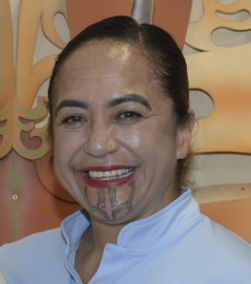
In this article, we hear from Judith, a corrections officer who works face-to-face with people in prison.
The drive home often feels like a necessary bridge between two very different worlds. As the gates close behind me, there is a distinctive shift in energy – from a state of constant, heightened awareness to the relative quiet of the outside world.
This isn't a job you can simply clock out of; it’s a role that requires you to be mentally, psychologically, and emotionally prepared every single day.
Daily rhythm
Before I start my working day, I begin with a karakia (a ritual or chant), then step into an environment where no two days are the same. The role of a corrections officer is more than just security - it’s about manaakitanga, managing people and maintaining routines that provide stability. We ensure people in prison receive their meals, exercise time, showers, phone calls, lawyer and family visits, and medication.
The day continues with the hum of the unit – a mix of radio calls, the clink of keys, the people we manage calling out their needs and wants, and the standard checks that ensure everyone is safe and accounted for.
While many expect a prison to be a difficult place, the reality is built on whanaungatanga – relationships and trust - and for me it is the safety that is built on a foundation of clear operational protocols. Knowing that we all follow the same guidelines provides a guided sense of security.
Influencing change
The challenges are real – the shift work (sometimes 10 or 12-hour days), dealing with individuals at varying levels of risk, and facing the stress of responding to multiple requests at once on a loud wing.
There is an emotional toll from working with people who may have decades of negative conditioning to undo – it requires a strong mindset and a non-judgemental heart. Yet there is a profound sense of purpose in knowing that your presence can help break the cycle of reoffending.
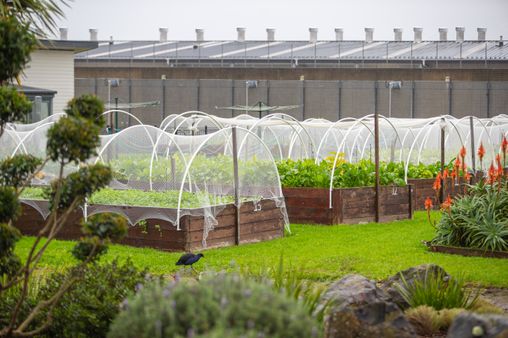
Rangatiratanga (leadership) is helping someone finally realise they have skills they never knew about, whether it's through Tikanga Māori, work skills workshops, or learning to make products for community projects.
Kotahitanga (unity) is seeing someone who has been through the system before finally reaching a point where something clicks, and they genuinely want to change their lifestyle to avoid causing further harm to their whānau and community.
Being a kaitiaki (guardian) in this environment carries a unique weight. We see prison sentences not as the end of the road, but as an opportunity for rehabilitation and a chance for people to leave with brighter prospects.
Working as a team
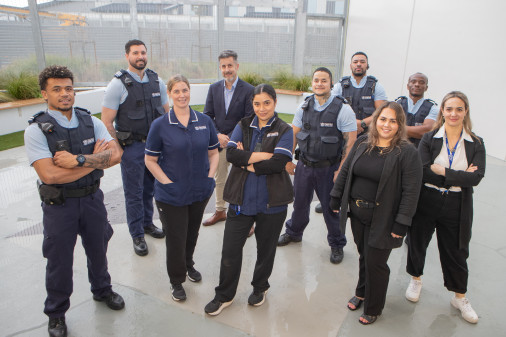
Success here isn’t just about what we do as individuals, it is how we connect with health professionals, case managers, and other teams across Corrections. Being in constant communication ensures we are all on the same wavelength to support rehabilitation.
Teamwork is the glue that holds everything together. The prison environment has complex challenges that arise daily, which requires different perspectives and skill sets to solve effectively.
As I pull into my driveway, the intensity of the prison begins to fade, replaced by the appreciation for my own family, my animals, and the familiar sight of the nearby mountains.
I’m proud of what I do. It’s a niche environment, but for those who value teamwork and human connection, it’s a career that offers constant opportunities to grow and make a tangible difference in our community.
“He iti hau marangai, e tuu paahokahoka” - “A little storm, but a rainbow appears”
Ready to make a move?
Start your journey - check out the a list of our current opportunities then apply online today!